
We upgrade key components and add new capabilities to improve performance, increase flexibility, and help you avoid a full system replacement.
Upgrade your system with the right improvements so it performs better, does more, and keeps up with your needs.
If your system isn’t keeping up, using outdated components, or lacking features like backup power, it doesn’t always mean you need to start over. Many systems can be improved with the right upgrades instead of a full replacement.
We evaluate your system and upgrade the components that matter most, improving performance, adding functionality, and giving you more flexibility so you get more out of what you already have without the cost of starting over.
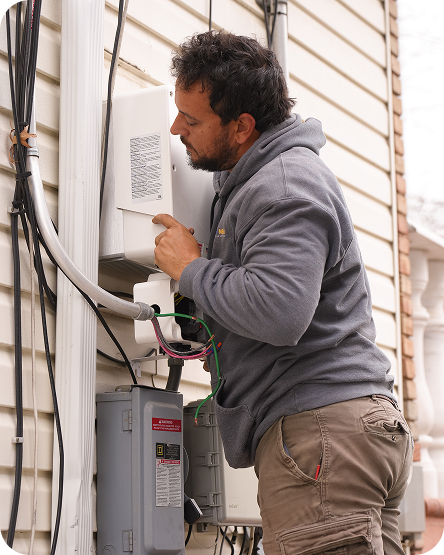
As your needs change and technology evolves, your system may not be keeping up with the performance and flexibility it was meant to deliver – and those limitations can cost you in both efficiency and functionality.
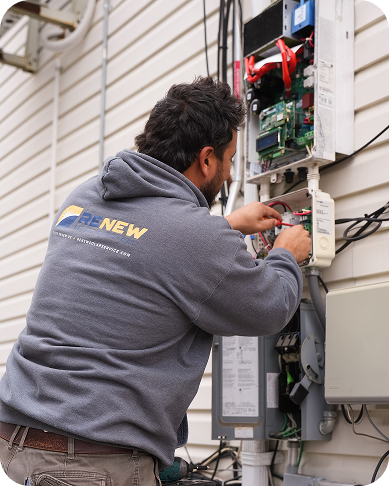
We focus on strategic upgrades that improve performance, add functionality, and extend what your existing system can do so it works the way you need it to today.
Solar battery backup installation
Solar panel upgrades or additions
System expansion (adding more panels)
Monitoring system upgrades
Electrical upgrades related to solar
Solar battery backup installation
Solar panel upgrades or additions
System expansion (adding more panels)
Monitoring system upgrades
Electrical upgrades related to solar
We review your system and walk you through what’s worth upgrading and what’s not – so you’re only investing in what actually improves your system.
I recently hired Renew Solar Services to service and upgrade my solar system, and they did an absolutely amazing job. Several of my solar panels and panel inverters needed to be replaced, and they not only handled the replacements flawlessly but also reworked and optimized parts of my system to make sure everything was running at peak performance.
It’s rare to find a company that truly stands behind their work while also improving your system beyond the basics, but Renew Solar Services did exactly that. I highly recommend them to anyone needing solar repairs, upgrades, or maintenance.

Miah Daniel
We review your system and walk you through what’s worth upgrading and what’s not – so you’re only investing in what actually improves your system.
I recently hired Renew Solar Services to service and upgrade my solar system, and they did an absolutely amazing job. Several of my solar panels and panel inverters needed to be replaced, and they not only handled the replacements flawlessly but also reworked and optimized parts of my system to make sure everything was running at peak performance.
Everything was completed on time, the worksite was left clean, and the quality of their work really shows. It’s rare to find a company that truly stands behind their work while also improving your system beyond the basics, but Renew Solar Services did exactly that. I highly recommend them to anyone needing solar repairs, upgrades, or maintenance.
Miah Daniel
We apply tried and tested experience to every upgrade, making sure it actually improves how your system performs and holds up over time – not just adding components, but solving the right problems.
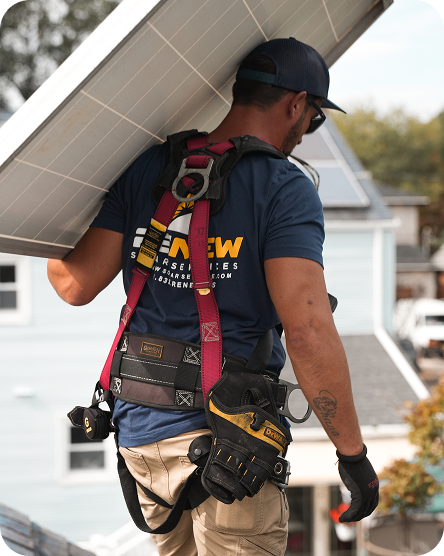



Full replacement isn’t always necessary. In many cases, the right upgrades can solve performance issues, add new functionality, and improve your system at a fraction of the cost of starting over.

Clients rely on us to make the right upgrades so their systems perform better without the cost of rebuilding their entire system.


 Trustindex verifies that the original source of the review is Google.
 Trustindex verifies that the original source of the review is Google.
 Trustindex verifies that the original source of the review is Google.
 Trustindex verifies that the original source of the review is Google.
 Trustindex verifies that the original source of the review is Google.
 Trustindex verifies that the original source of the review is Google.
 Trustindex verifies that the original source of the review is Google.
 Trustindex verifies that the original source of the review is Google.
 Trustindex verifies that the original source of the review is Google.
 Trustindex verifies that the original source of the review is Google.
As your energy needs grow and equipment ages, the right upgrades can help you avoid more costly fixes down the line.
Submit a request and let us know what you’re looking to improve or add to your system.
We assess your system and recommend the upgrades that will improve performance and functionality.
We complete the upgrade and ensure everything is operating efficiently and correctly so your system performs at a higher level moving forward.
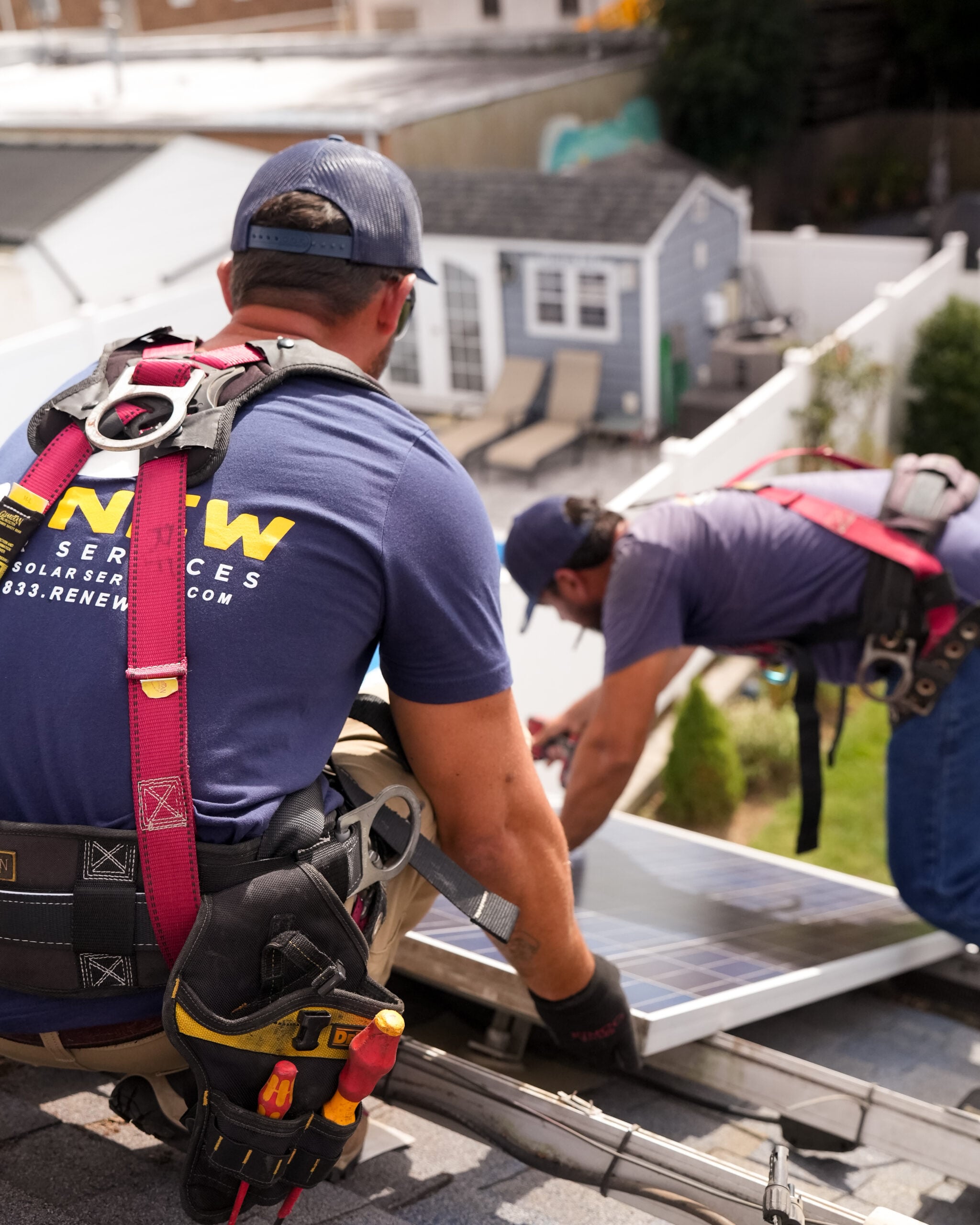
If your solar panels are 10, 15, or even 20 years old, it’s a fair question: are they still worth keeping? For most systems, the answer is yes. Solar panels are built to keep producing for 25 years or more, and according to the U.S. Department of Energy, most systems still maintain at least 80% of their original output after 25+ years — typical degradation is only about 1% per year. A well-maintained 15-year-old system is very likely still producing close to what it always has.
Full replacement tends to make the most sense in two situations: you’re already having your roof replaced, so the panels have to come off anyway — in which case a reinstall or an upgrade at the same time is worth considering — or your system has a real, diagnosed problem that isn’t cost-effective to repair. Outside of those cases, the Department of Energy’s own guidance is that it’s usually more beneficial to keep an existing system running and address specific issues — a new inverter, added panels, added battery storage — rather than replacing the whole thing.
The right first step isn’t guessing whether your system needs to be replaced. It’s getting it properly diagnosed, so any decision — repair, upgrade, or replace — is based on what your system actually needs.
If your household’s power needs have grown — a new EV, a home addition, a heat pump, or just higher usage than when your system was installed — adding panels to your existing system is often more practical than replacing it outright. But a few real constraints have to be checked first, not guessed at:
What kind of inverter you already have matters. Systems with a single string inverter have a hard capacity ceiling — going beyond it isn’t a minor compromise. It can trigger faults, void the equipment’s warranty, or damage the inverter, so expanding a string-inverter system usually means adding a second inverter or upgrading to a larger one before any new panels go on the roof. Systems built on microinverters (one inverter per panel) are typically easier to expand, since new panels with matching microinverters can often be added without touching the rest of the system — though the specific microinverter generation and monitoring setup still need to be compatible.
Your electrical panel and permits matter too. Your home’s main electrical panel has its own capacity limit, and it’s one of the most common reasons a seemingly simple panel addition turns into a bigger project. Most towns also require a new or revised permit whenever a system’s capacity or equipment changes, and a larger system can affect your utility’s net-metering terms.
None of this needs to be sorted out on your own. It starts with a real evaluation of what’s already on your roof and in your electrical room — which is exactly where we start before recommending whether expansion, a new inverter, or a different approach makes sense for your system specifically.
We handle solar system upgrades, panel additions, and legacy-equipment modernization for homes across Nassau and Suffolk County, including Hempstead, Mineola, Farmingdale, Huntington, Commack, Hauppauge, Holbrook, Brookhaven, Riverhead, and Southampton. Whether you’re adding capacity or deciding whether an aging system is worth restoring, we evaluate it on-site and give you a straight answer.
Yes. In many cases, targeted upgrades can improve performance and add functionality without the need for a full system replacement.
Battery backup is one of the most common upgrades, giving you power during outages and more control over how and when you use your energy.
Yes. Battery systems can be added to many existing setups, allowing you to store energy and keep power during outages.
In many cases, yes. If your system and electrical setup allow for expansion, additional panels can help meet increased energy demand.
Yes, depending on your current setup. Newer inverters can improve efficiency, reliability, and system performance.
Signs include outdated equipment, limited performance, or your system not keeping up with your energy needs.
Costs vary depending on the type of upgrade and your system. We provide clear recommendations and pricing based on what makes sense for your setup.
Yes. Our upgrade work is backed by a workmanship warranty, and many components also include manufacturer warranties.
Most solar panels are built to keep producing for 25 years or more, typically losing only about 1% of their output a year — so a well-maintained 15-year-old system is very likely still producing close to its original output. Full replacement usually makes the most sense when you’re already having your roof replaced, or when a real, diagnosed problem makes repair impractical. In most other cases, targeted upgrades cost less and get you there faster.
Not always — it depends on the type and remaining capacity of the inverter already installed. Adding panels beyond a string inverter’s rated capacity can trigger faults or void its warranty, so this is something we confirm before any panels go on the roof, not something to guess at.
The right upgrades can bridge performance gaps, expand what your system can do, and help you avoid a full replacement – resulting in more power and more savings.